

Blog
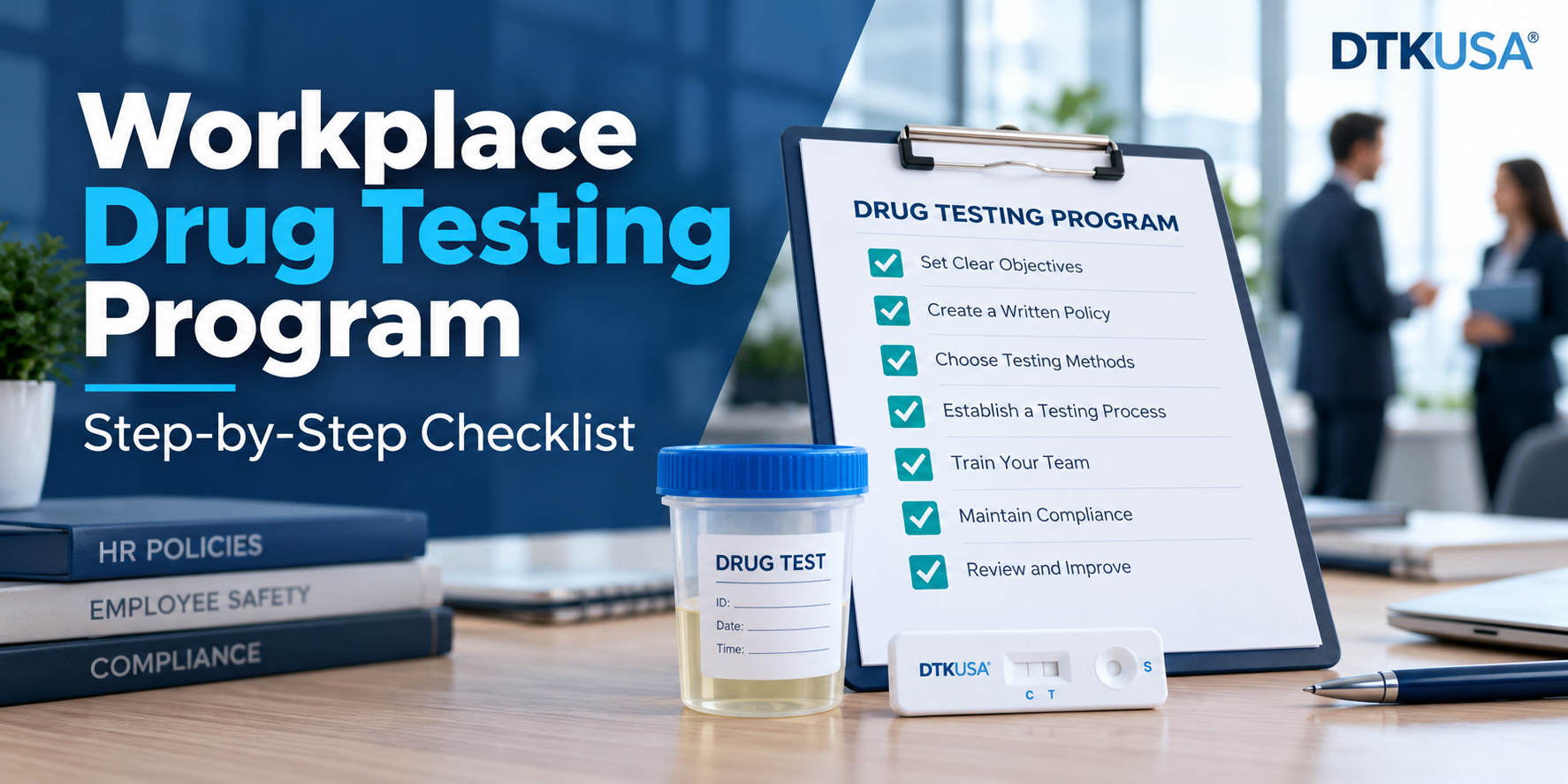
How to Start a Workplace Drug Testing Program: 8-Step Checklist
Maybe your insurance carrier asked about it. Maybe you had an incident on the floor. Or maybe you’re simply looking for a more consistent approach
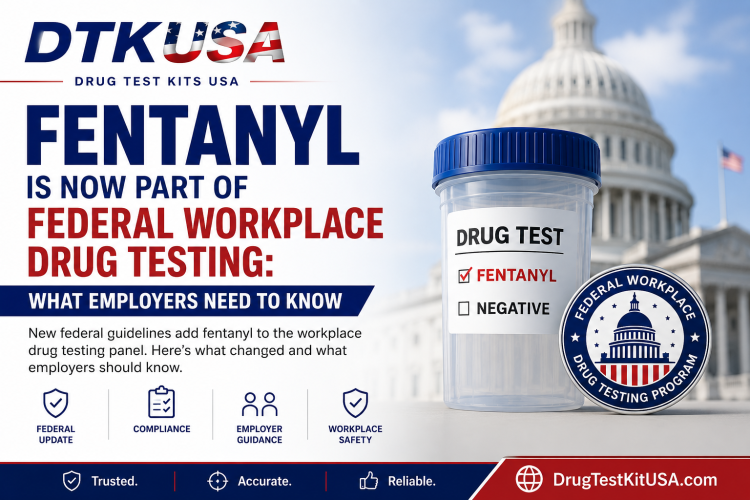
Fentanyl Is Now Part of Federal Workplace Drug Testing: What Employers Need to Know
The landscape of workplace drug testing continues to evolve as employers respond to changing drug use trends and updated federal guidance. One of the most significant recent developments is the addition of fentanyl to the authorized federal workplace drug testing panel.
While this change primarily affects federal workplace drug testing programs, it also signals a broader shift that private employers should understand when reviewing their own drug testing policies.
Here’s what changed – and what it means for employers.
In January 2025, the U.S. Department of Health and Human Services (HHS) published revised Mandatory Guidelines for Federal Workplace Drug Testing Programs, adding fentanyl and its primary metabolite, norfentanyl, to the authorized drug testing panels.
The updated guidelines became effective on July 7, 2025, marking the first time fentanyl has been included as part of the federal workplace drug testing panel.
This change reflects the growing public health impact of illicit fentanyl and the increasing number of overdose deaths involving synthetic opioids across the United States.
Fentanyl is a powerful synthetic opioid that is approximately 50 to 100 times more potent than morphine. While it has legitimate medical uses for pain management under medical supervision, illegally manufactured fentanyl has become a major contributor to the ongoing opioid epidemic.
Because fentanyl may not be detected by traditional workplace drug testing panels, federal agencies updated their testing guidelines to improve detection of this high-risk substance.
The addition of fentanyl is intended to help federal agencies maintain safe workplaces while adapting to current substance abuse trends.
No.
This is one of the most common misconceptions following the federal update.
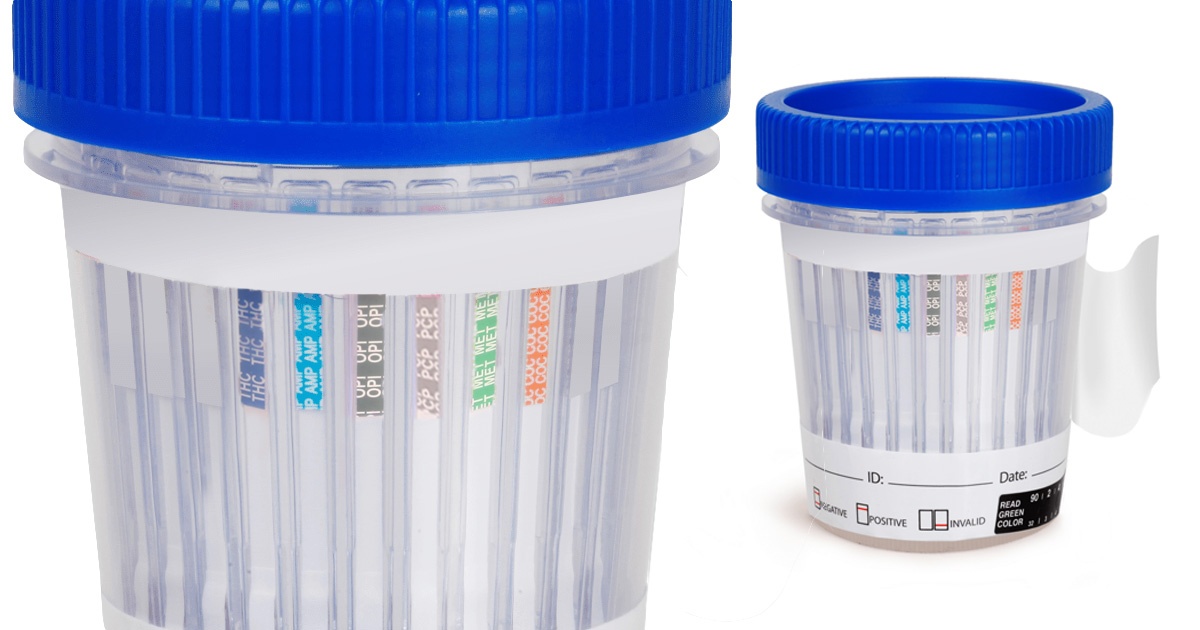
Many commonly used drug tests – including traditional 5-panel and many 10-panel drug tests – do not automatically include fentanyl.
Fentanyl typically requires a dedicated fentanyl test or a testing panel that specifically lists fentanyl among the substances being screened.
Before purchasing workplace drug tests, employers should carefully review the product specifications to determine which drugs are included.
The U.S. Department of Transportation (DOT) has proposed updating its drug testing regulations to align with the HHS guidelines by adding fentanyl to the DOT testing panel.
As of this writing, this proposal has not yet been finalized, meaning DOT-regulated employers should continue following current DOT testing requirements until a final rule is issued.
Employers subject to DOT regulations should monitor future announcements for implementation dates and compliance requirements.
The HHS Mandatory Guidelines apply to federal workplace drug testing programs and do not automatically require private employers to add fentanyl testing.
However, many organizations are reviewing their workplace drug testing policies in light of the ongoing opioid crisis.
Depending on state laws, company policies, and workplace safety considerations, some employers may choose to:
Employers should always consult legal counsel or their testing program administrator before making policy changes, as workplace drug testing requirements vary by state.
Not every workplace has the same testing needs.
For example:
Selecting the appropriate testing solution helps ensure compliance with applicable regulations while supporting a safe work environment.
No. Most standard 5-panel drug tests do not include fentanyl unless specifically indicated by the manufacturer.
Some rapid drug tests are designed to detect fentanyl, while others are not. Always verify the product’s intended testing panel before use.
No. The revised HHS Mandatory Guidelines apply to federal workplace drug testing programs. Private employers are generally not required to adopt the federal panel unless otherwise required by law or company policy.
Not yet. The DOT has proposed adding fentanyl to its testing regulations, but employers should continue following current DOT requirements until a final rule is adopted.
The addition of fentanyl to the federal workplace drug testing panel reflects the changing realities of substance use in the United States. While the update primarily affects federal agencies today, it also provides valuable insight for private employers evaluating their own workplace drug testing programs.
Understanding which substances are included in a testing panel—and selecting the appropriate test for your organization’s needs—can help employers make informed decisions while maintaining compliance with applicable regulations.
Maybe your insurance carrier asked about it. Maybe you had an incident on the floor. Or maybe you’re simply looking for a more consistent approach
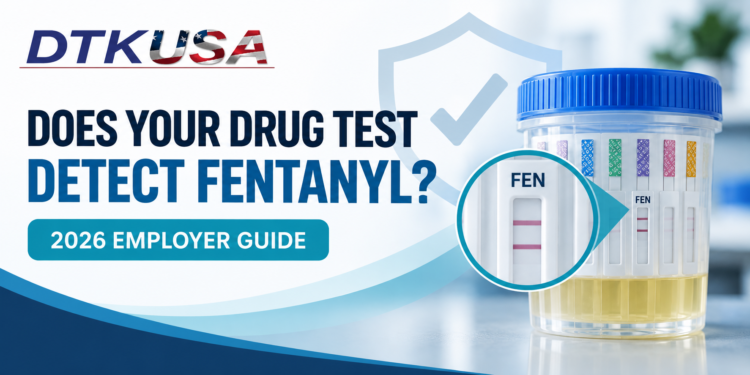
Many employers use what they consider a comprehensive drug-testing panel but may still have an important blind spot: fentanyl. A test may include an opiate

Security at Stripe: Learn how Stripe handles security.
A PCI-certified auditor has audited Stripe. We’re a certified PCI Service Provider Level 1. This is the most stringent level of certification available in the payments industry. To accomplish this, we use the best-in-class security tools and practices to maintain a high level of security at Stripe.
Stripe forces HTTPS for all services using TLS (SSL), including our public website and the Dashboard to ensure secure connections:
We regularly audit the details of our implementation, including the certificates we serve, the certificate authorities we use, and the ciphers we support. We use HSTS to ensure that browsers interact with Stripe only over HTTPS. Stripe is also on the HSTS preloaded lists for both Google Chrome and Mozilla Firefox.
All card numbers are encrypted at rest with AES-256. Decryption keys are stored on separate machines. None of Stripe’s internal servers and daemons can obtain plain text card numbers but can request that cards are sent to a service provider on a static allowlist. Stripe’s infrastructure for storing, decrypting, and transmitting card numbers runs in a separate hosting environment, and doesn’t share any credentials with Stripe’s primary services including our API and website.
Why use PayPal?
Your information is secured.
When you pay with PayPal, your financial information is never shared with the seller, and you can pay using only your email address and password.
Security around the clock.
PayPal monitors every transaction 24/7 to help prevent against fraud, email phishing and identity theft. Every transaction is heavily guarded behind their next-level encryption.
If something seems suspicious, their dedicated team of security specialists is immediately on it to help protect you from fraudulent transactions. And remember, PayPal will never ask for any sensitive information from you in an email.
You can be sure that your transaction is protected and secure when you use PayPal at the DrugTestKitUSA checkout.