Blog
How to Start a Workplace Drug Testing Program: 8-Step Checklist
Maybe your insurance carrier asked about it. Maybe you had an incident on the floor. Or maybe you’re simply looking for a more consistent approach

Many employers use what they consider a comprehensive drug-testing panel but may still have an important blind spot: fentanyl.
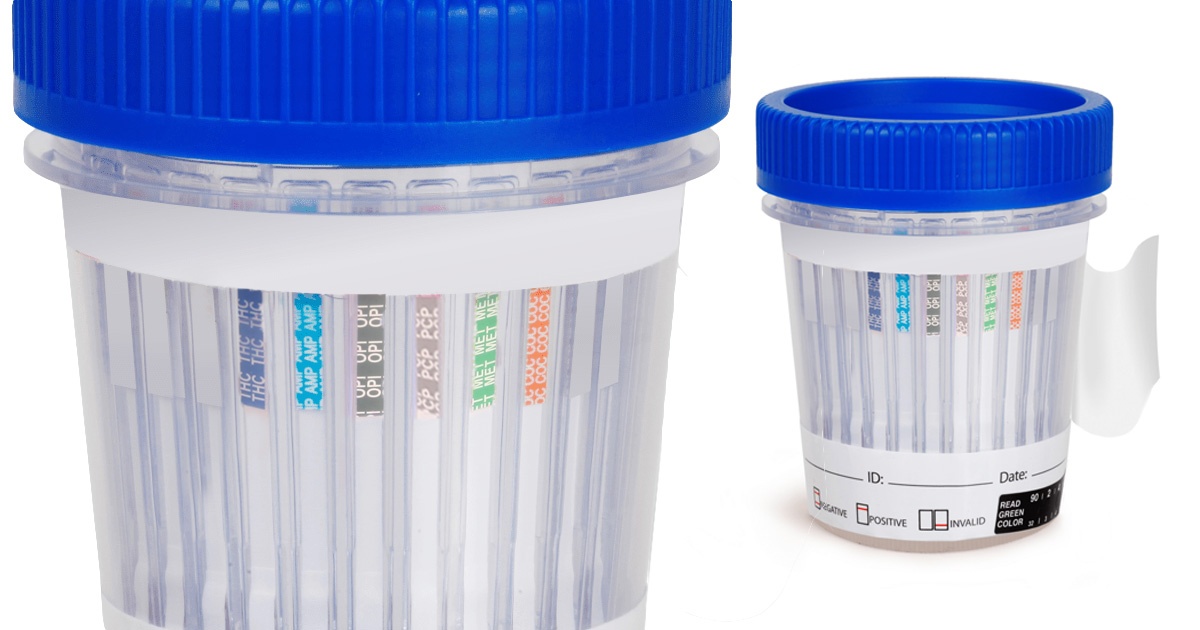
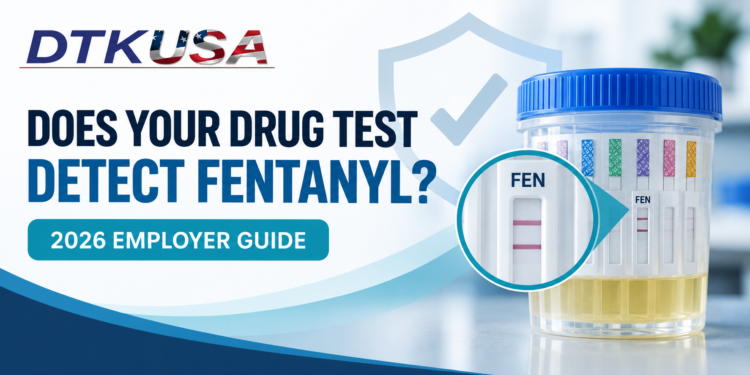
A test may include an opiate panel without testing for fentanyl. If a rapid cup doesn’t specifically list FEN or fentanyl, it generally isn’t screening for fentanyl—even if it includes OPI, MOP, oxycodone, or several other opioid-related panels.
Here is why that happens, what changed in federal workplace testing in 2025, and what employers should verify before changing their testing programs.
Traditional opiate immunoassays are primarily designed to react to morphine-class compounds, including morphine, codeine, and related metabolites.
Fentanyl is a synthetic opioid with a substantially different chemical structure. As a result, standard morphine-based opiate assays generally don’t detect it. A urine test can produce a negative result on the OPI panel even when fentanyl is present because that panel was not designed to identify fentanyl.
That doesn’t mean the OPI test failed. It means fentanyl wasn’t part of that test’s analyte menu.
Fentanyl requires fentanyl-specific testing. With a rapid urine cup, this generally means a dedicated FEN panel. With laboratory testing, fentanyl must be specifically included among the analytes ordered.
If a rapid cup doesn’t list FEN or fentanyl, don’t assume it is included based solely on the total number of panels.
In January 2025, the Department of Health and Human Services published updated authorized drug-testing panels for federal workplace programs. The revised panels became effective on July 7, 2025.
HHS added:
The final federal cutoff concentrations are:
These final concentrations differ from some values initially proposed while the federal panel was under review.
The complete analyte tables and cutoff concentrations are available in the official HHS Federal Register notice.
These federal laboratory cutoffs apply to HHS-regulated federal workplace testing. They don’t automatically establish the required cutoff concentrations for private employers, rapid cups, or DOT-regulated testing.
Not yet.
As of September 2026, fentanyl and norfentanyl aren’t included in the current DOT urine drug-testing table under 49 CFR Part 40.
DOT published a proposed rule on September 2, 2025, that would add fentanyl and norfentanyl and harmonize portions of the DOT testing program with the updated HHS guidelines. The public comment period closed on October 17, 2025.
However, DOT has not issued a final rule or announced an effective date. Until that happens, employers should continue following the current DOT requirements and monitor official DOT guidance for future changes.
Employers can review the existing analyte table in DOT §40.85 and the pending changes in the DOT proposed rule.
Our DOT drug-testing requirements guide provides additional information about federally mandated testing events.
A DOT-regulated employer may establish a separate non-DOT testing program that includes fentanyl when permitted by applicable state law, employment agreements, collective-bargaining requirements, and company policy.
However, DOT and non-DOT testing must remain completely separate.
An employer cannot simply test a DOT specimen for additional drugs. DOT requires a separate specimen for the subsequent non-DOT test, and employers may not use the federal Custody and Control Form for non-DOT testing.
The DOT-mandated test must also be completed before the separate non-DOT test begins. Results from a non-DOT test cannot be used to change or disregard the result of a DOT test.
Employers considering supplemental testing should review DOT §40.13 and consult their laboratory, Medical Review Officer, and qualified legal counsel before implementation.
The 2026 Quest Diagnostics Drug Testing Index reported a notable decline in fentanyl positivity among the general U.S. workforce.
According to Quest, fentanyl positivity in urine testing fell from 0.55% in 2024 to 0.28% in 2025—a year-over-year reduction of 49.1%.
That is encouraging, but the data doesn’t establish a single cause. Quest said the decline may reflect expanded testing, education, deterrence strategies, and other efforts by employers and public-health organizations.
The same report found that marijuana remained the primary driver of positive drug-test results across workforce segments and specimen types.
Employers can review the findings in the 2026 Quest Diagnostics Drug Testing Index announcement.
The appropriate testing approach depends on the organization, workforce, testing purpose, applicable laws, and written policy.
Review the exact drug list rather than relying on terms such as “comprehensive” or “expanded panel.”
If fentanyl screening is part of the program’s objective, confirm that the cup or laboratory test specifically includes fentanyl. Employers should also verify the test’s cutoff concentration, specimen type, intended use, and regulatory classification.
Continue following the current DOT panel until a final rule becomes effective.
Any supplemental non-DOT fentanyl testing must remain separate from the DOT test and comply with DOT procedures, applicable state law, and the employer’s written non-DOT policy.
Fentanyl-specific testing may be appropriate depending on the clinical purpose and patient population. These programs should select testing methods based on professional guidance, laboratory protocols, regulatory requirements, and the product’s intended use.
Forensic Use Only products aren’t intended for clinical diagnostic use.
A fentanyl-inclusive panel may provide additional information when fentanyl is among the substances the program is authorized to monitor.
The product configuration, cutoff, intended use, confirmation process, and applicable legal requirements should all be reviewed before implementation.
Rapid fentanyl tests provide preliminary qualitative screening results. A reactive or non-negative screen should not automatically be treated as a confirmed positive result.
When required by the product instructions, testing policy, clinical circumstances, or applicable regulations, non-negative results should be confirmed using a more specific laboratory method, such as mass spectrometry.
A drug test also detects the presence of a drug or metabolite above an established cutoff. It doesn’t establish current impairment, the exact time of use, or whether a prescribed medication was misused.
Not every fentanyl test has the same intended use or regulatory classification.
DrugTestKitUSA currently offers expanded urine drug test cups that include a dedicated FEN panel. The currently listed fentanyl-inclusive cup configurations are labeled Forensic Use Only and aren’t intended for clinical diagnostic use.
Standalone fentanyl strips designed to test liquid or powder substances are also different from tests designed to screen human urine. They shouldn’t be used interchangeably.
Before purchasing, review the individual product page and package insert to confirm:
A test that includes an OPI panel doesn’t automatically test for fentanyl.
For rapid urine screening, look specifically for a dedicated FEN panel. For laboratory testing, confirm that fentanyl is included in the ordered analyte menu.
Federal workplace testing added fentanyl in July 2025, but the HHS change didn’t automatically add fentanyl to DOT testing or establish universal requirements for private employers.
As of September 2026, DOT’s fentanyl rule remains proposed and isn’t yet effective.
Looking for a fentanyl-inclusive configuration? Review our currently available fentanyl drug test cups and verify each product’s intended use and regulatory classification before ordering.
You can also contact the DrugTestKitUSA team for help reviewing available configurations. For more information about panel selection, read our guide to 6-panel vs. 12-panel drug test cups.
This article is provided for general informational purposes and isn’t legal or medical advice. Federal, state, DOT, clinical, and workplace-testing requirements may change and can vary by testing purpose and jurisdiction. Confirm current requirements with your laboratory, Medical Review Officer, qualified legal counsel, or other appropriate professional before changing a testing program.
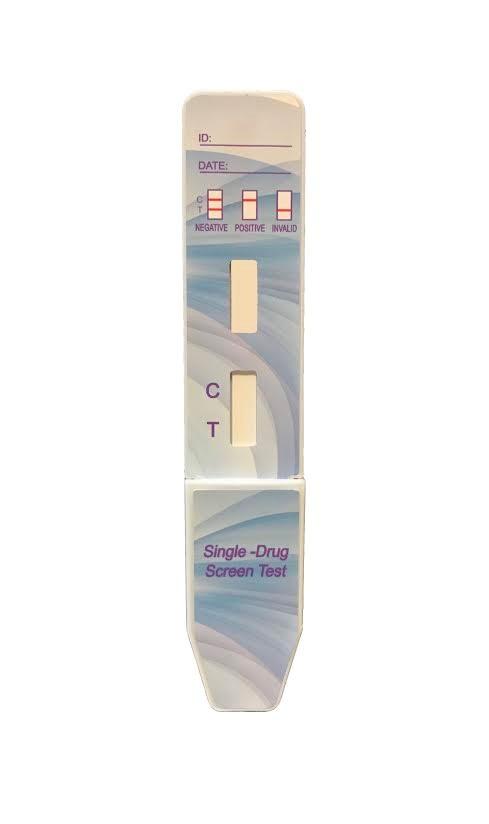
CLIA Waived FDA 510(k) Cleared OTC & Rx Use 25 tests per box•$0.75 per test Single-panel urine dip card for…
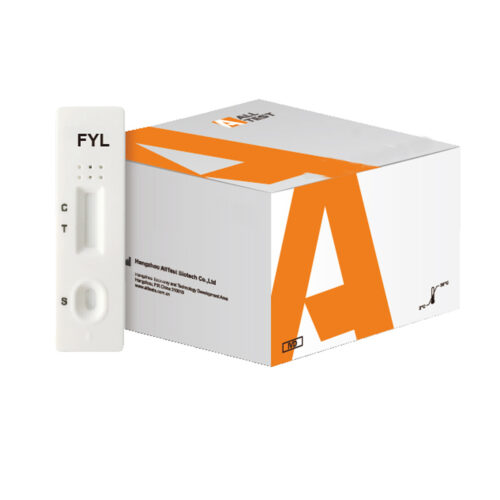
CLIA Waived FDA 510(k) Cleared 25 tests per box • $2.25 per test Professional-use, single-panel urine test cassette for the…
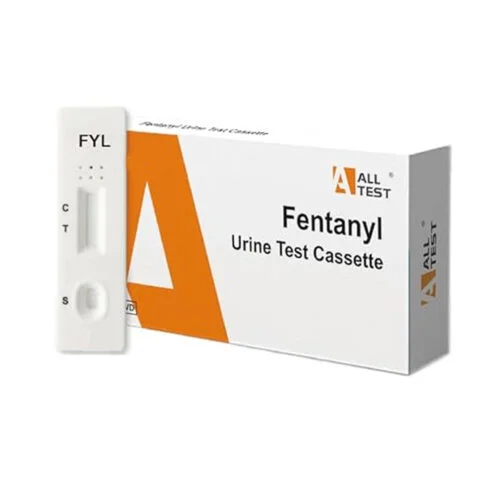
Over-the-Counter (OTC) FDA 510(k) Cleared 20 tests per kit • $4.95 per test Over-the-counter urine test cassette for the qualitative…
Maybe your insurance carrier asked about it. Maybe you had an incident on the floor. Or maybe you’re simply looking for a more consistent approach
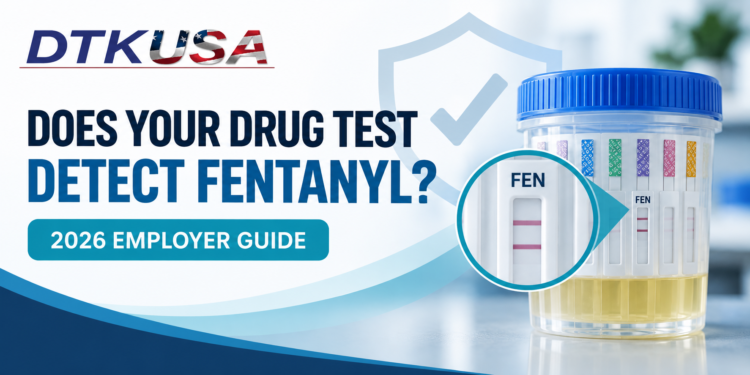
Many employers use what they consider a comprehensive drug-testing panel but may still have an important blind spot: fentanyl. A test may include an opiate