

Blog
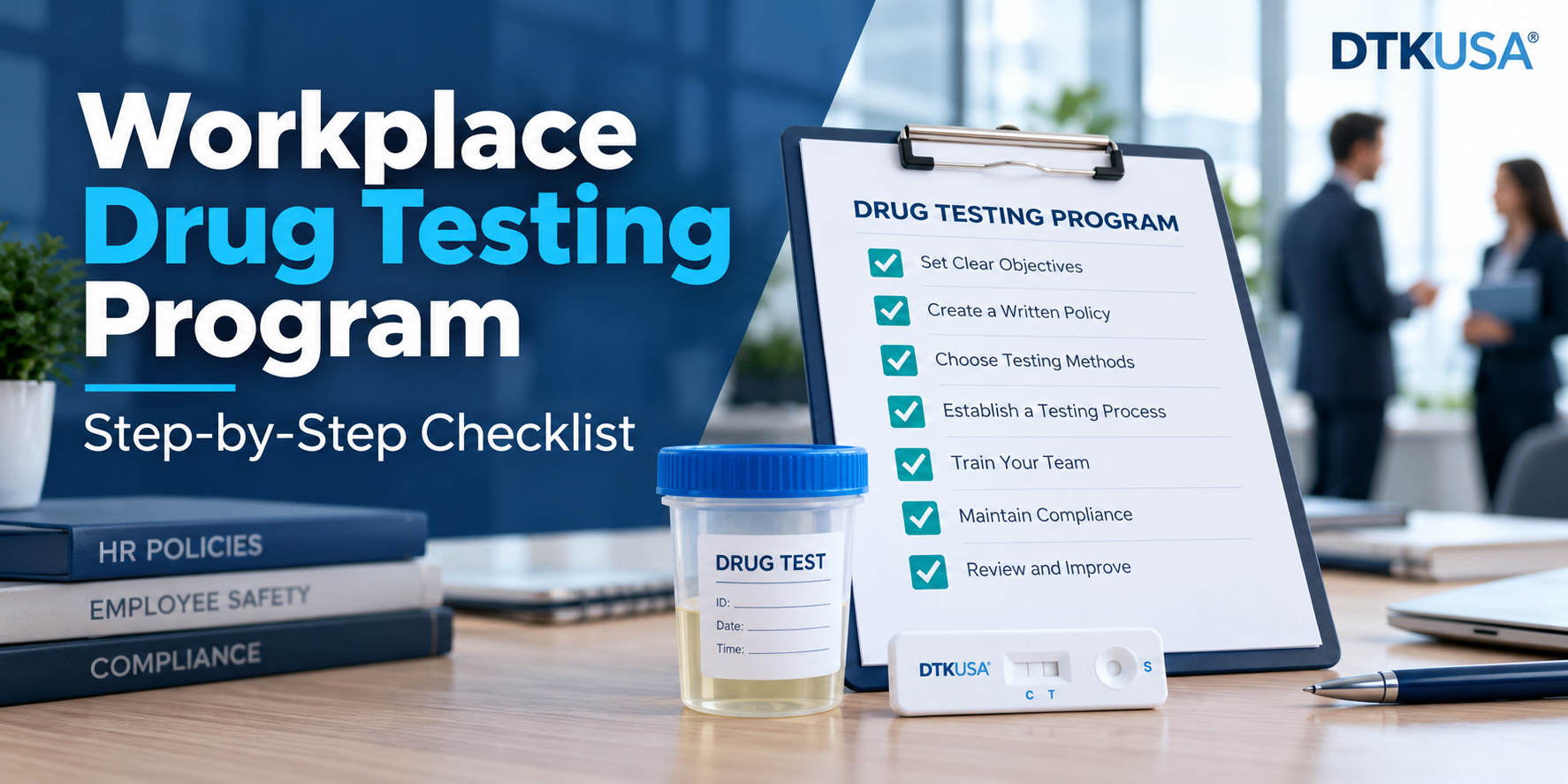
How to Start a Workplace Drug Testing Program: 8-Step Checklist
Maybe your insurance carrier asked about it. Maybe you had an incident on the floor. Or maybe you’re simply looking for a more consistent approach

How Long Does Cocaine Stay in Urine, Blood, Saliva, and Hair?
Cocaine is one of the most commonly screened substances in workplace and clinical drug testing. Whether testing is performed for employment, medical evaluation, or personal reasons, many people want to understand how long cocaine remains detectable in the body.
The answer depends on several factors, including the type of drug test used, the amount and frequency of use, and individual biological differences. Different testing methods detect cocaine and its metabolites for different periods of time.
This guide explains how long cocaine can be detected in urine, blood, saliva, and hair drug tests, along with the factors that influence detection times.
Drug testing does not usually detect cocaine itself for very long. Instead, most tests identify benzoylecgonine, the primary metabolite produced when the body breaks down cocaine.
Because benzoylecgonine remains in the body longer than cocaine itself, it provides a more reliable marker for recent drug use.
Typical detection windows are shown below.
| Test Type | Typical Detection Window |
|---|---|
| Urine | 2–4 days |
| Blood | Up to 48 hours |
| Saliva | 1–2 days |
| Hair | Up to 90 days |
Urine testing is by far the most commonly used method because it offers a practical balance between detection window, reliability, and cost.
View available urine drug test kits here:
https://drugtestkitusa.com/product-category/drug-tests/
Urine testing is the standard method used in workplace drug screening programs and many home drug testing kits. Most urine drug tests detect the cocaine metabolite benzoylecgonine, rather than cocaine itself.
For occasional users, cocaine metabolites typically remain detectable in urine for two to four days after use.
However, the detection window may be longer depending on usage patterns:
In heavy users, metabolites can accumulate in body tissues and take longer to be eliminated through urine.
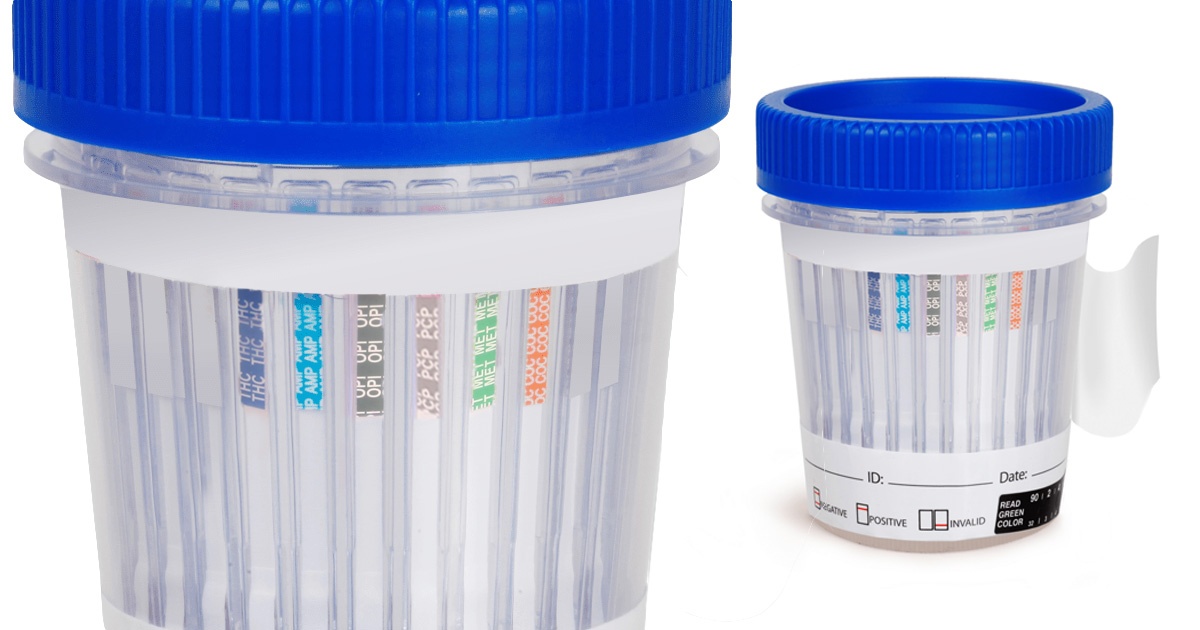
Modern urine drug test cups and dip cards often include additional safeguards such as temperature strips and specimen validity indicators. These checks help ensure the sample has not been diluted or altered and improve the reliability of test results.
Blood testing is capable of detecting cocaine very soon after use, but the detection window is relatively short. Cocaine is rapidly metabolized by enzymes in the liver and bloodstream, which means its concentration decreases quickly.
In most cases:
Because of the short detection window and the need for medical personnel to collect samples, blood testing is typically used in clinical or forensic settings rather than routine workplace screening.
Saliva testing, also known as oral fluid testing, has become increasingly popular in recent years. It is commonly used for roadside drug testing and in certain workplace environments because samples are easy to collect and difficult to tamper with.
Cocaine and its metabolites can generally be detected in saliva for approximately 24 to 48 hours after use.
One advantage of saliva testing is its ability to identify very recent drug use. However, the shorter detection window compared with urine testing makes it less suitable for identifying drug use that occurred several days earlier.
Hair drug testing offers the longest detection window of any common drug testing method.
When cocaine enters the bloodstream, small amounts of the drug and its metabolites can reach the hair follicles. As hair grows, these substances become incorporated into the hair shaft.
Because human hair grows approximately half an inch per month, hair testing can typically detect cocaine use for up to 90 days.
Hair testing is frequently used in:
However, it is important to note that hair tests are less effective at detecting very recent drug use, as it usually takes several days for drug metabolites to appear in newly grown hair.
While general detection windows are widely cited, the exact amount of time cocaine remains detectable can vary from person to person.
Several factors play a role.
Individuals who use cocaine frequently or in large quantities may test positive longer than occasional users. Repeated exposure can lead to accumulation of metabolites in the body, which takes more time to eliminate.
Metabolism influences how quickly drugs are processed and removed from the body. People with faster metabolic rates may eliminate cocaine metabolites more quickly than those with slower metabolism.
Liver and kidney function play a key role in drug metabolism and elimination. Conditions that affect these organs can extend the time cocaine metabolites remain detectable.
Hydration levels affect urine concentration. However, modern urine drug test systems often measure creatinine levels, specific gravity, and temperature to identify diluted samples and maintain testing accuracy.
Although cocaine is not stored in body fat to the same extent as some other substances, body composition and overall physiology can still influence elimination rates.
Most modern drug tests detect benzoylecgonine, the primary metabolite produced when cocaine is broken down by the liver.
Benzoylecgonine is particularly useful for drug testing because it is more stable and remains detectable longer than cocaine itself.
Initial screening tests typically use immunoassay technology, which is designed to detect drug metabolites above a specific cutoff level. If necessary, confirmatory testing can be performed using more advanced laboratory techniques such as gas chromatography–mass spectrometry (GC-MS).
View available urine drug test kits here:
https://drugtestkitusa.com/product-category/drug-tests/
Drug testing technologies used today are highly reliable when performed correctly. Screening tests used in workplaces and home test kits are designed to provide rapid and dependable results.
Laboratory confirmation methods offer even greater accuracy and specificity when needed.
Many urine drug test cups and integrated test systems also include built-in validity indicators to verify that the specimen meets normal physiological parameters.
For most individuals, cocaine metabolites remain detectable in urine for two to four days after a single use.
Hair testing provides the longest detection window, typically up to 90 days.
Hydration may influence urine concentration, but modern drug tests include validity checks that help detect diluted samples.
No. Different tests detect cocaine or its metabolites for different lengths of time depending on the type of sample being analyzed.
Cocaine detection times vary depending on the type of drug test and individual biological factors. In most cases, urine tests can detect cocaine use for several days, while hair tests may reveal drug exposure for up to three months.
Understanding these detection windows can help individuals, employers, and healthcare professionals interpret drug test results more accurately.
Urine drug testing remains the most widely used method due to its reliability, convenience, and practical detection window.
View available urine drug test kits here:
https://drugtestkitusa.com/product-category/drug-tests/
Substance Abuse and Mental Health Services Administration (SAMHSA)
https://www.samhsa.gov/workplace/drug-testing-resources
National Institute on Drug Abuse (NIDA)
https://nida.nih.gov/research-topics/drug-testing
Mayo Clinic Laboratories – Drug Testing Overview
https://www.mayocliniclabs.com/test-catalog/overview
Verstraete AG. Detection times of drugs of abuse in blood, urine, and oral fluid.
Annals of Clinical Biochemistry
https://journals.sagepub.com/doi/10.1258/acb.2010.010111
Maybe your insurance carrier asked about it. Maybe you had an incident on the floor. Or maybe you’re simply looking for a more consistent approach
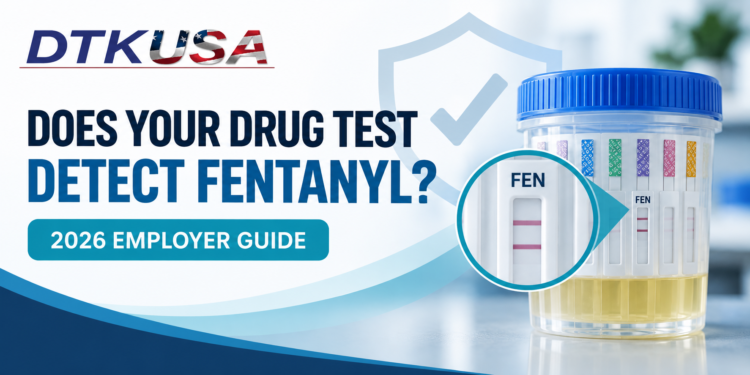
Many employers use what they consider a comprehensive drug-testing panel but may still have an important blind spot: fentanyl. A test may include an opiate

Security at Stripe: Learn how Stripe handles security.
A PCI-certified auditor has audited Stripe. We’re a certified PCI Service Provider Level 1. This is the most stringent level of certification available in the payments industry. To accomplish this, we use the best-in-class security tools and practices to maintain a high level of security at Stripe.
Stripe forces HTTPS for all services using TLS (SSL), including our public website and the Dashboard to ensure secure connections:
We regularly audit the details of our implementation, including the certificates we serve, the certificate authorities we use, and the ciphers we support. We use HSTS to ensure that browsers interact with Stripe only over HTTPS. Stripe is also on the HSTS preloaded lists for both Google Chrome and Mozilla Firefox.
All card numbers are encrypted at rest with AES-256. Decryption keys are stored on separate machines. None of Stripe’s internal servers and daemons can obtain plain text card numbers but can request that cards are sent to a service provider on a static allowlist. Stripe’s infrastructure for storing, decrypting, and transmitting card numbers runs in a separate hosting environment, and doesn’t share any credentials with Stripe’s primary services including our API and website.
Why use PayPal?
Your information is secured.
When you pay with PayPal, your financial information is never shared with the seller, and you can pay using only your email address and password.
Security around the clock.
PayPal monitors every transaction 24/7 to help prevent against fraud, email phishing and identity theft. Every transaction is heavily guarded behind their next-level encryption.
If something seems suspicious, their dedicated team of security specialists is immediately on it to help protect you from fraudulent transactions. And remember, PayPal will never ask for any sensitive information from you in an email.
You can be sure that your transaction is protected and secure when you use PayPal at the DrugTestKitUSA checkout.