Last reviewed: November 18, 2026
When families reconnect over Thanksgiving, they may notice changes that leave them worried about someone they love. Changes in mood, sleep, appearance, or behavior can raise difficult questions—and make a drug test seem like a quick way to get answers.
A home drug test can provide preliminary information about certain drugs or their metabolites in a sample. It cannot establish current impairment, diagnose a substance use disorder, or explain what someone is going through.
Before testing, it helps to understand the limits, consider the person’s privacy, and plan what support you can offer.
Changes in behavior don’t prove drug use
Changes in sleep, mood, spending, relationships, or daily routines can have many explanations. Depression, anxiety, grief, medical conditions, medication effects, and stress can all affect how someone behaves.
Start with a calm conversation about what you have noticed. A test cannot replace listening or a healthcare professional’s assessment.
You might say:
“You haven’t seemed like yourself lately, and I’m worried about you. How have you been feeling?”
What a home drug test can show
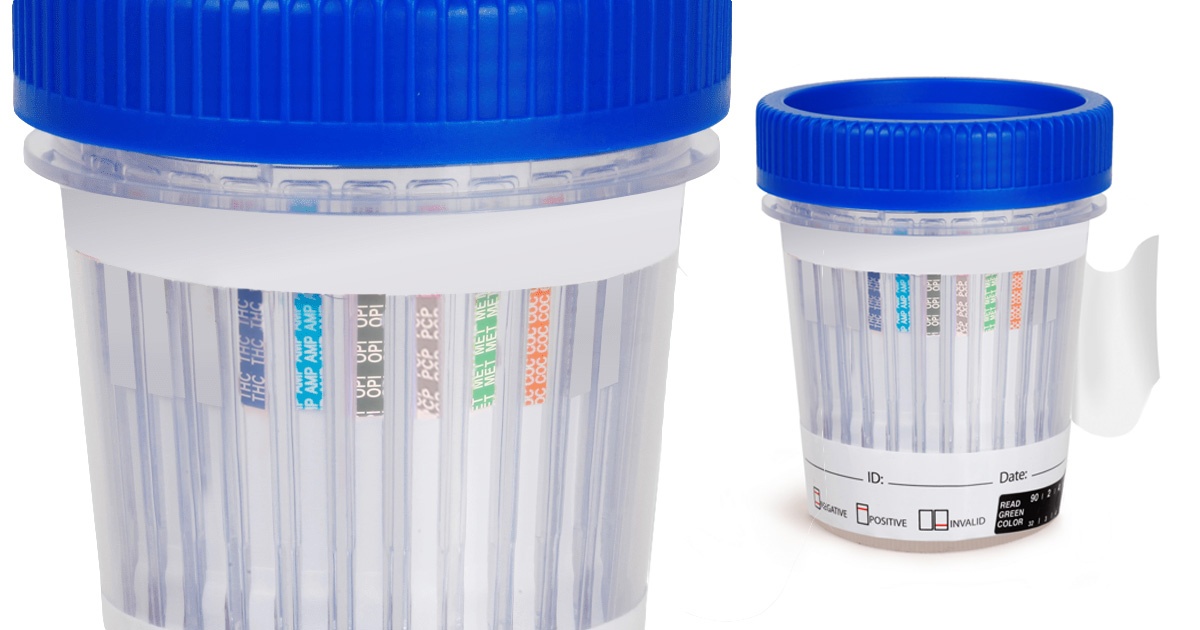
Most rapid home drug tests are screening tests. They look for specific drugs or metabolites at or above defined cutoff levels.
Results usually appear within minutes, but the instructions determine when and how to read them.
A positive screening result is preliminary. Some medications and other substances can interfere with certain tests, so laboratory confirmation is needed before drawing conclusions or making consequential decisions.
What a home drug test cannot tell you
- How much or how often someone uses. A rapid qualitative screen does not measure the amount consumed or establish a pattern of use.
- Whether someone has a substance use disorder. Diagnosis requires a broader clinical assessment.
- Whether someone is currently impaired. A drug or metabolite may remain detectable after its effects have worn off.
- Whether a prescription is being misused. A positive result cannot distinguish taking a medication as prescribed from taking it incorrectly.
- Whether an unlisted substance was used. A test only screens for the substances included in its panel.
- Whether a negative result rules out use. The substance may be below the cutoff, outside the detection window, or absent from the panel.
A result needs context. Neither a positive nor a negative screen tells the whole story.
Choosing a test: check more than the panel count
If testing is appropriate, choose a product specifically labeled for over-the-counter home use. CLIA-waived status alone does not mean a test is intended for home use.
Check the substances included, specimen type, cutoff levels, expiration date, and instructions. Also determine how laboratory confirmation can be arranged if the result is positive.
Urine tests
Urine tests commonly screen for several substances at once. Detection windows vary considerably by drug, frequency of use, individual factors, and cutoff.
Some substances may be detectable for only a short period. Cannabis metabolites can remain detectable for weeks after frequent use.
Oral-fluid tests
Oral-fluid tests generally detect more recent use than urine tests, but the window depends on the substance and device. Follow the product’s collection instructions rather than assuming every device works the same way.
Alcohol tests
Alcohol is not automatically included in a multi-panel drug test.
Breath tests measure alcohol in exhaled breath. Urine EtG tests detect an alcohol metabolite that may remain detectable after alcohol itself has cleared.
EtG detection varies with the amount consumed, time elapsed, and cutoff. An “80-hour” claim is not a guaranteed detection window.
Fentanyl tests
Standard opiate screening does not reliably detect fentanyl. Check for a fentanyl-specific test or panel.
Also check the intended sample: tests for urine or oral fluid and strips used to check drug samples serve different purposes and are not interchangeable.
Read our guide: Does Your Drug Test Detect Fentanyl?.
If the person is a teenager
The American Academy of Pediatrics does not recommend routine drug testing of teenagers outside a medical setting and without clear clinical reasons.
Its concerns include misinterpreted results, false reassurance, damage to trust, and testing used primarily as punishment.
Start with your child’s pediatrician. A clinician can assess what is happening, explain whether testing would help, and connect your family with appropriate support.
When testing is part of a clinical plan, the teen should understand its purpose and provide consent. Secret or surprise testing can undermine the relationship needed to address the concern.
If the person is an adult
Discuss testing openly and obtain the person’s informed agreement.
Explain why you are concerned, what the test can and cannot show, who will see the results, and what the next steps would be.
If the person declines, you can still seek professional guidance about your concerns and appropriate boundaries. Support does not have to begin with a test.
How to raise the subject without escalating conflict
- Choose a calm, private moment. Avoid confronting someone during Thanksgiving dinner, an argument, or while they appear intoxicated.
- Describe specific observations. Say what you have noticed rather than making accusations.
- Listen before proposing solutions. Ask open questions and give the person time to respond.
- Plan for either result. A negative result may not resolve the concern, and a positive screen needs confirmation.
- Have a helpful next step ready. Offer to arrange a medical appointment, find treatment information, or accompany them to a visit.
What to do after the result
If the screen is positive
Arrange laboratory confirmation and discuss the result with a healthcare professional before drawing conclusions or taking consequential action.
Review relevant prescriptions, over-the-counter medicines, and supplements with the clinician. Do not stop prescribed medication based on a home screen.
Focus on safety, understanding, and access to care.
If the screen is negative
A negative result does not rule out substance use or another health problem.
If concerning changes continue, seek a medical assessment rather than relying on repeated home testing.
If someone may be overdosing
Do not wait for a drug test. Call 911 immediately if someone cannot be awakened, is breathing slowly or not normally, or may be experiencing an overdose.
If an opioid overdose is suspected and naloxone is available, administer it according to its instructions. Follow the emergency dispatcher’s directions and stay with the person. Emergency care is still needed even if they improve after naloxone.
For treatment referrals, SAMHSA’s National Helpline is 1-800-662-4357, a free, confidential service available 24 hours a day. You can also text your ZIP code to 435748 or visit FindTreatment.gov.
Before you buy a home drug test
Confirm that the product is intended for home use, includes the substances of concern, and has a clear process for laboratory confirmation.
DrugTestKitUSA carries screening products with different intended uses and purchasing requirements. Review the individual product labeling or call 866-205-9215 for help identifying a product’s classification and specifications.
A test may provide useful information. A caring conversation and appropriate professional support help determine what happens next.
Sources
This article provides general information, not medical or legal advice. Testing should follow the product’s intended use and instructions. If you are concerned about someone’s health or safety, contact a qualified healthcare professional or emergency services.